How to Taste Paso Robles Rhône Wines: A Winemaker’s Guide to Grenache, Syrah & Beyond
Most people taste Grenache and Syrah the same way, which is exactly why they can’t tell the two apart by the second glass. Paso Robles Rhône wines have earned a reputation that a lot of first-timers haven’t caught up to yet: this is one of the most serious American homes for these grapes outside the Rhône Valley itself, with Grenache and Syrah sometimes grown in the same block and still landing in the mouth like entirely different wines — if you know what to look for.
Table of Contents
The Rhône Varieties That Define Paso Robles
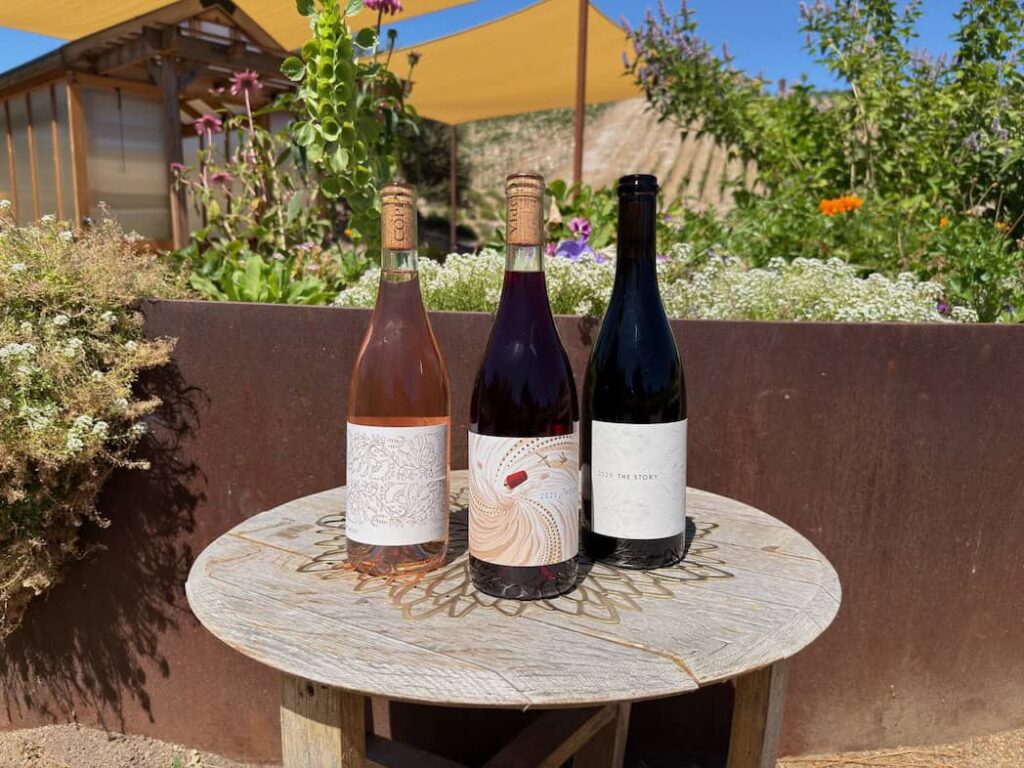
Paso Robles built its reputation on Rhône varieties long before most American wine drinkers could name them. Grenache and Mourvèdre come from the southern Rhône, built for warmth and generosity in the glass; Syrah and Viognier come from the north, built for structure and lift. Roussanne and Picpoul Blanc round out the whites, giving Paso producers a full Rhône palette to work with rather than a single signature grape. None of this happened by accident — the region’s limestone soils and wide day-to-night temperature swings resemble the southern Rhône more than they resemble Bordeaux, which is part of why Paso never committed to Cabernet the way Napa did. Our own estate reflects that same logic: The Story leans on Grenache, The Source leans on Syrah, and our White blends Roussanne, Viognier, and Picpoul Blanc into something that doesn’t taste like much else in California.
Why Paso Robles Terroir Suits These Grapes
The limestone-rich, calcareous soils of the Willow Creek and Adelaida Districts, on Paso’s west side, are steep and quick to drain, forcing vines to root deep with very little water to work with. Add in the region’s dramatic diurnal shift, where a 95-degree afternoon can drop into the 50s by midnight, and you get grapes that ripen fully during the day while holding onto their acidity overnight. That combination is exactly what Grenache and Syrah need to avoid turning flabby in California heat. Grenache tends to do best on the warmer, more exposed pockets of a vineyard, ripening into its full, generous fruit; Syrah can take on a darker, more savory character in cooler pockets, while late-ripening Mourvèdre needs enough heat and hang time to mature fully while retaining its naturally firm structure.
How to Actually Taste These Wines
When we pour a flight side by side, we ask people to slow down more than they think they need to. Start with color: hold the glass against something white and look at the rim. Grenache runs lighter, more garnet, almost translucent at the edge. Syrah stays denser and more opaque all the way through — you can often tell them apart before you’ve smelled anything.
Swirl and smell in two passes, not one. The first pass gives you fruit — bright red cherry and berry on a Grenache, darker plum and blackberry on a Syrah. Give it a second pass after a minute of air, and a different layer shows up: garrigue and dried herb on the Grenache, black pepper and something almost smoky on the Syrah. Syrah in particular rewards patience — it often needs a few minutes in the glass before the meat and pepper notes show themselves. Rushed, it can taste flat and closed.
Then taste, and pay attention to timing as much as flavor. Grenache announces itself in the first three seconds — bright fruit arrives immediately and doesn’t linger too long. Syrah takes longer to land and holds on through a longer finish, with more tannin working the sides of your tongue. Tasted back to back, in that order, the shift from bright to brooding is unmistakable.
What Grenache Actually Tastes Like
Done well, Grenache is cherry and boysenberry up front, with violets and a thread of smoked pepper underneath, and that dried-herb garrigue note that’s about as close as California gets to the actual scent of Rhône Valley scrubland. The tannins are fine-grained and the body sits medium — noticeably lighter than Cabernet, which is exactly why it takes well to a slight chill on a warm evening and doesn’t fight with food the way a bigger red can. Our own Story leans into all of this: 100% Grenache from our Willow Creek estate, full-bodied but never heavy, which is part of why it’s carried scores as high as 94 points from Wine Enthusiast and 94–96 points from Jeb Dunnuck across recent vintages.
What Syrah Actually Tastes Like
Syrah in Paso Robles carries more weight from the start — violets and plum up front, giving way to darker blackberry, black pepper, smoked meat, and a faint incense note that’s unmistakably Northern Rhône in character, even grown three thousand miles from the Rhône Valley itself. The tannin is firmer and the body fuller than Grenache, built to hold its shape over five to ten years in the cellar rather than drink young. Our Source is built this way on purpose. It’s 100% Syrah and we use the technique, borrowed from the northern Rhône tradition, of co-fermenting Syrah with a touch of white grape. It’s earned scores as high as 98 points from Jeb Dunnuck, and it’s the wine we reach for when we want to show someone what Syrah can really do.
Pairing Rhône Wines at the Table
Grenache pairs exceptionally well with roasted and grilled meats, lamb, pork, duck, chicken, and lean cuts of beef. Grilled and roasted meats work well because the wine’s acidity balances the richness while its berry notes complement the caramelized flavors from cooking.
Syrah, with its firmer structure and smoky character, holds up to smoked meats, aged hard cheeses, or anything with real char and spice on it. Our White — the Roussanne, Viognier, and Picpoul Blanc blend — is the wine to reach for with richer seafood or anything built around cream, since the fuller texture in Roussanne stands up to fat in a way most whites can’t. If you want the deeper version of this conversation, our guide to Grenache pairings goes dish by dish.
Tasting Rhône Wines at Copia
Our Estate Wine Tasting is built around exactly this kind of comparison — Grenache poured next to Syrah, so the difference is something you feel rather than something we describe to you. For guests who want the fuller picture, the Walking Tour with Culinary Provisions moves through our production areas and cellar, with a barrel taste along the way and a seated pairing to close it out. Either way, you leave with a working sense of what these two grapes actually do, which is more useful than any tasting note we could write here. Explore the full lineup on our wines page, or look into what wine club membership includes if you want early access to each new vintage.
Reading about the difference between Grenache and Syrah only gets you so far. Come taste them side by side in our cellar and feel the shift for yourself — book a tasting at Copia.
Frequently Asked Questions
What is a Rhône wine?
A Rhône wine is made from grape varieties traditionally grown in France’s Rhône Valley — most commonly Grenache, Syrah, and Mourvèdre for reds, and Viognier, Roussanne, and Picpoul Blanc for whites. Paso Robles has become one of the most successful American regions for growing these varieties.
What’s the difference between Grenache and Syrah?
Grenache is lighter-bodied with bright red fruit, floral notes, and lower tannin. Syrah is fuller-bodied and darker in both color and fruit character, with more tannin, black pepper, and smoky, savory notes. Tasted side by side, the difference is immediate.
Why is Paso Robles good for growing Rhône varietals?
Limestone-rich soils on the west side and dramatic swings between hot days and cool nights mirror growing conditions in France’s southern Rhône Valley, letting Grenache, Syrah, and Mourvèdre ripen fully while holding onto their acidity.
How should I taste Grenache and Syrah side by side?
Taste the Grenache first to set a bright, fruit-forward baseline, then move to the Syrah. Tasting in that order makes the shift in body, color, and fruit character much easier to identify than tasting them separately.
What food pairs best with Paso Robles Rhône wines?
Grenache pairs well with roasted lamb or grilled vegetables; Syrah suits smoked meats and aged hard cheeses; Rhône white blends work best with richer seafood or cream-based dishes.