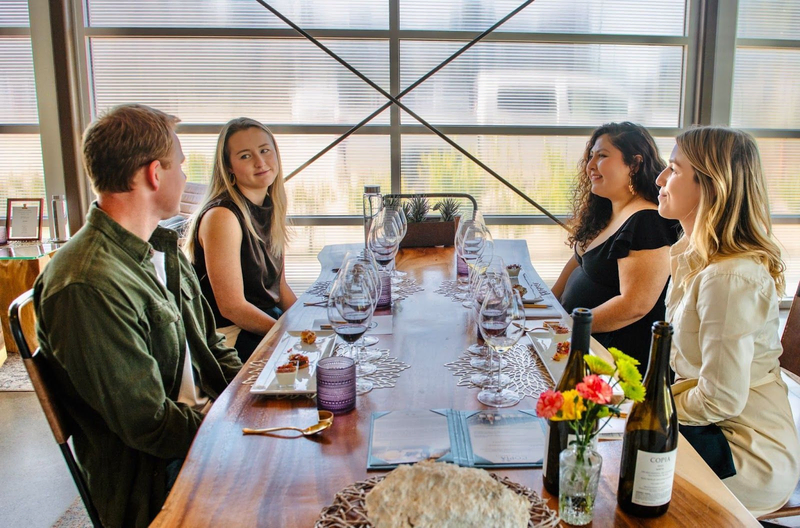
Summer Wine Pairings: The Best Paso Robles Wines for Warm-Weather Entertaining
The thermometer hits 90 and something shifts in the cellar. Not in temperature — we have that managed — but in what we reach for. The big, structured reds that feel right in October start to feel like too much in June. You want something that drinks as easily as the evening moves: cool, alive, specific. Something that belongs outside.
Paso Robles is better positioned for summer wine than most people realize. The region’s reputation runs toward bold Cabernets and age-worthy Rhône reds, which is deserved — but the same diurnal swings that concentrate those wines give us whites and rosés with genuine tension and freshness. Warm days, cold nights, and calcareous soils that hold onto acidity. What comes out of that, poured cold on a warm afternoon, is worth knowing.
These are the wines we open in summer, and what we pair them with.
Table of Contents
Why Summer Changes What You Pour
It’s a structural question as much as a preference one. High tannin and high alcohol — the hallmarks of a serious winter red — work against you when it’s warm. Tannin reads as bitter when your body temperature is already elevated. Alcohol amplifies the heat. A wine that felt balanced at the November table can feel heavy and coarse in June, poured into the same glass, by the same hand.
What summer asks for instead is brightness: wines with natural acidity that keeps them tasting lively and refreshing rather than flat, lower tannin that doesn’t compete with the season’s food, and aromatics that open up in the air rather than closing in on themselves. Paso Robles’ Rhône varieties — Grenache, Viognier, Roussanne, Mourvèdre — were grown for exactly this. So was the Chardonnay we’ve brought into the portfolio. These are wines with structure, but the kind that lifts rather than anchors.
The other shift is in how you serve them. More on that below — but the short version is that most people serve whites too cold and reds too warm in summer, and both mistakes cost you something.
Rosé and the Al Fresco Table
There’s a version of rosé that exists only to be pretty — pale, vaguely sweet, something to hold in a photograph. That’s not what we made. The 2025 Rosé is built for the table: Grenache, Mourvèdre, dry and mineral-bright, with the kind of acidity that makes it genuinely useful with food.
What it handles best is the range of things that end up on an outdoor table in summer — the spread that doesn’t have a plan. Grilled shrimp skewers. Oysters on the half shell with a mignonette. Ceviche. A simple fish taco with lime crema and a little heat. Burrata with sliced stone fruit and a drizzle of good oil. The wine’s strawberry and tangerine brightness mirrors the citrus in those dishes; the crushed-rock minerality and white pepper hold up to the salt. It doesn’t overpower anything, and it doesn’t disappear.
The logic with rosé and seafood is one of mirroring: the wine’s salinity matches the salinity in the food, and its weight — lighter than a white Burgundy, more substantial than a sparkling — sits exactly where those dishes need something. A butter-basted halibut brings out something almost saline in the Rosé that you wouldn’t notice otherwise. That’s the sign a pairing is working.
Serve it at 45–48°F. Pull it from the refrigerator, not the ice bucket — ice gets it too cold and the aromatics collapse.
The White and the Summer Table
The wine we pour most in summer is the White — our Rhône white blend of Roussanne, Viognier, and Picpoul Blanc. It earned 94 points from Wine Enthusiast and it’s easy to understand why:. It’s a wine that handles more than people expect from a white.
Where rosé is the right call for seafood and light starters, the White earns its seat at the fuller end of a summer meal. A fattoush with fresh herbs and sumac, its acidity meeting the lemony sharpness of the salad. Watermelon and feta, where the mineral note in the wine echoes the brine. Grilled peaches with prosciutto and a little fresh basil — the fuller Roussanne texture wraps around the fat in the meat and the sweetness of the fruit and makes it feel like a considered thing.
It also belongs with a proper mezze spread: hummus, labneh, marinated olives, flatbread with charred edges. The Picpoul Blanc in the blend cuts through oil-dressed food and brings everything back to freshness. If you’re feeding a table that’s grazing rather than eating a composed meal, the White keeps the thread running across the whole afternoon.
One note on serving temperature: 45–48°F is right, but if it’s very cold when you open it, give it ten minutes. The aromatics on a Roussanne-led blend open as it warms slightly in the glass. The first pour and the last pour from the same bottle can taste quite different — in the best way.
AMRIT Chardonnay and the Richer End of Summer Cooking
We didn’t come to Chardonnay casually. The AMRIT is our first California Chardonnay, and we wanted it to earn its place in a cellar built around Rhône varieties. It does. Where the White goes toward salinity and lift, the AMRIT goes toward roundness and texture — and that’s a different tool at the summer table.
The dishes that call for it are the ones with enough richness to swallow a lighter wine whole. Grilled halibut in brown butter with capers. Lobster tail. Corn on the cob with herb butter — a simple thing that the AMRIT makes feel considered. A summery pasta with zucchini, Parmesan, and a touch of cream. Stone crab. A white peach tart with a custard base. Dishes where fat is part of the structure and you need something with weight to hold alongside it.
Chardonnay has the texture to meet that richness without competing with it — it wraps around butter and cream rather than cutting through them the way a higher-acid white would. The AMRIT is the right call when the meal has moved past grazing and into something that needs to be sat down for.
When You Still Want a Red
Some meals just call for a red regardless of the season. A proper lamb chop. A whole spatchcocked chicken over a wood fire. A spiced turkey burger built for something bigger than a bun. When that’s the dinner, reach for The Story — our Grenache — and put it in the refrigerator for 20 minutes before you open it.
That detail matters more than it sounds. A Grenache served at cellar temperature in summer heat reads differently. The tannins ease, the garrigue and dark cherry aromatics lift, and the wine becomes something you want to drink rather than something you’re working through. The Story’s fine-grained tannins and smoked pepper character already mirror the grill — the slight chill makes sure the wine is working with the meal rather than adding to the heat of the evening.
It’s also the right move alongside the Rosé and the White when you’re feeding a table with different preferences. All three together isn’t a conflict — it’s a summer flight.
Our Approach to Seasonal Pairings at Copia
The cellar changes what we pour at the tasting room throughout the year, and so does the season. Summer at Copia means the Rosé, the White, and the AMRIT lead the pour before the estate reds come in — the seasons in the glass mirroring the seasons in the vineyard, which is how it should work.
On the Walking Tour with Culinary Provisions, the local provisions we pair alongside the wines shift with what’s ripe and what’s available from our culinary garden and the farms we work with. In summer that tends toward stone fruit, cured things, and bright acidic notes rather than the richer, earthier provisions of autumn. The wines are chosen to meet the food; the food is chosen to meet the season. It’s the same logic that runs through every pairing in this post, just made visible.
If you want to taste this in person — rosé on the patio, a barrel taste in the cellar, the White alongside a summer board — we’re open Thursday through Monday, 10 AM to 4 PM, at 5076 Mustard Creek Rd on the westside.
A glass in hand while the afternoon is still warm. That’s what we’re after. Come in and taste →, or shop the full portfolio and bring summer to your own table.
Frequently Asked Questions
What wine is best for summer entertaining? Dry rosé, aromatic white blends, and Chardonnay are the most versatile summer wines — they pair across a wide range of food and hold up in warm weather without feeling heavy. If you want a red, a lightly chilled Grenache is the most summer-friendly option.
What wine pairs best with grilled seafood? Dry rosé is the most reliable pairing for grilled seafood — the mineral brightness and acidity mirror the salinity in shrimp, fish, and oysters without overwhelming them. A Rhône white blend also works well with richer fish dishes.
What is the best white wine for summer? That depends on the food. For lighter dishes and grazing spreads, an aromatic Rhône white blend — Roussanne, Viognier, Picpoul Blanc — offers the most versatility. For richer summer cooking — grilled fish in butter, lobster, corn — a well-made Chardonnay with texture and roundness is the better call.
What temperature should I serve white wine in summer? 45–48°F for whites and rosé. Cold enough to be refreshing, but not so cold that the aromatics collapse. If serving from an ice bucket, pull the bottle a few minutes before pouring. Reds like Grenache are best around 58–60°F in summer — 20 minutes in the refrigerator before opening gets you there.